“It Is What It Is”

Stock image courtesy of SquareSpace
Sometimes, the distinction between radical acceptance - a complete and total acknowledgement of reality just as it is, even if we do not like or approve of it - and total collapse or surrender can seem murky. When we say something like “it is what it is,” it is important to understand the energy behind this adage. Are we dismissing or “stuffing down” the emotional response we’re having to a painful situation, or are we truly acknowledging the situation at hand and our own scope of control within it?
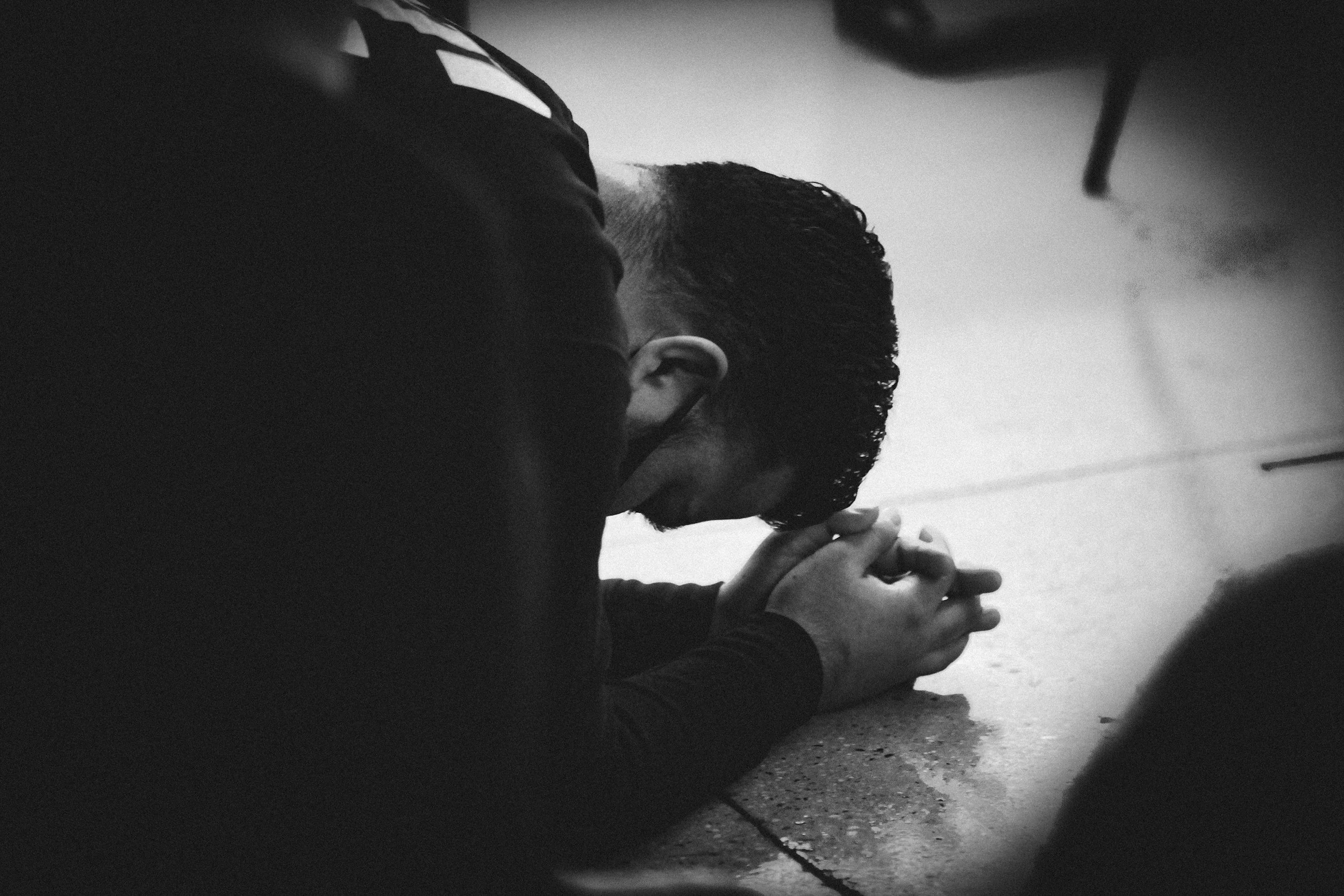
When I hear people say “it is what it is,” it is often said with an air of dismissal - an invalidation of the dis-ease the person is experiencing because of a difficult situation. It is a verbal manifestation of our mind and body feeling that there is nothing we can do and so we must surrender because there is no other choice. This collapse response is one that we are evolutionarily hard-wired to experience - think about a prey animal in the face of an insurmountable threat. The prey animal may fight at first, or try to flee, but when these options do not resolve the threat they collapse and await certain death, hoping it will be swift. Even though our brains are highly evolved and may be able to intellectually differentiate between something stressful versus actual imminent death, our body may still respond from an older place - especially if we have a history of adverse experiences.

Stock image courtesy of SquareSpace
When I first learned about radical acceptance, one of the core skills and concepts from dialectical behavior therapy (DBT), it was taught to me with a harrowing example - a situation in which a person had been wrongfully convicted and thus incarcerated for many years, who was using all of the resources at their disposal to appeal the decision and try to right the injustice dealt to them. I found myself incredulous at this idea - what person would not be railing and raving against such a gross miscarriage of justice? This person should just accept that he’s being robbed of years of his life? In what world does that make sense?
Stock image courtesy of SquareSpace
Perhaps this is too intense a scenario to use when first illustrating this concept - however, with years of experience, I have come to see the value of this example. In this instance, radical acceptance is not the person in question saying “it is what it is,” throwing their hands up, and collapsing into total despair and helplessness. It is the choice to find the synthesis between what is within the person’s control and what isn’t. Anyone familiar with alcohol or other substance recovery may find this echoing the sentiment of the Serenity Prayer - the wisdom to know the difference between what we can and cannot change. So, my question for you this week is - is there anything in your life that you have been, consciously or otherwise, non-accepting of? Whether that means actively fighting against or denying reality, or totally collapsing in the face of it when maybe there is at least something you can maybe do? As DBT teaches us, sometimes the first step of shifting towards a more radically accepting posture is the acknowledgement that there is something we are not accepting.