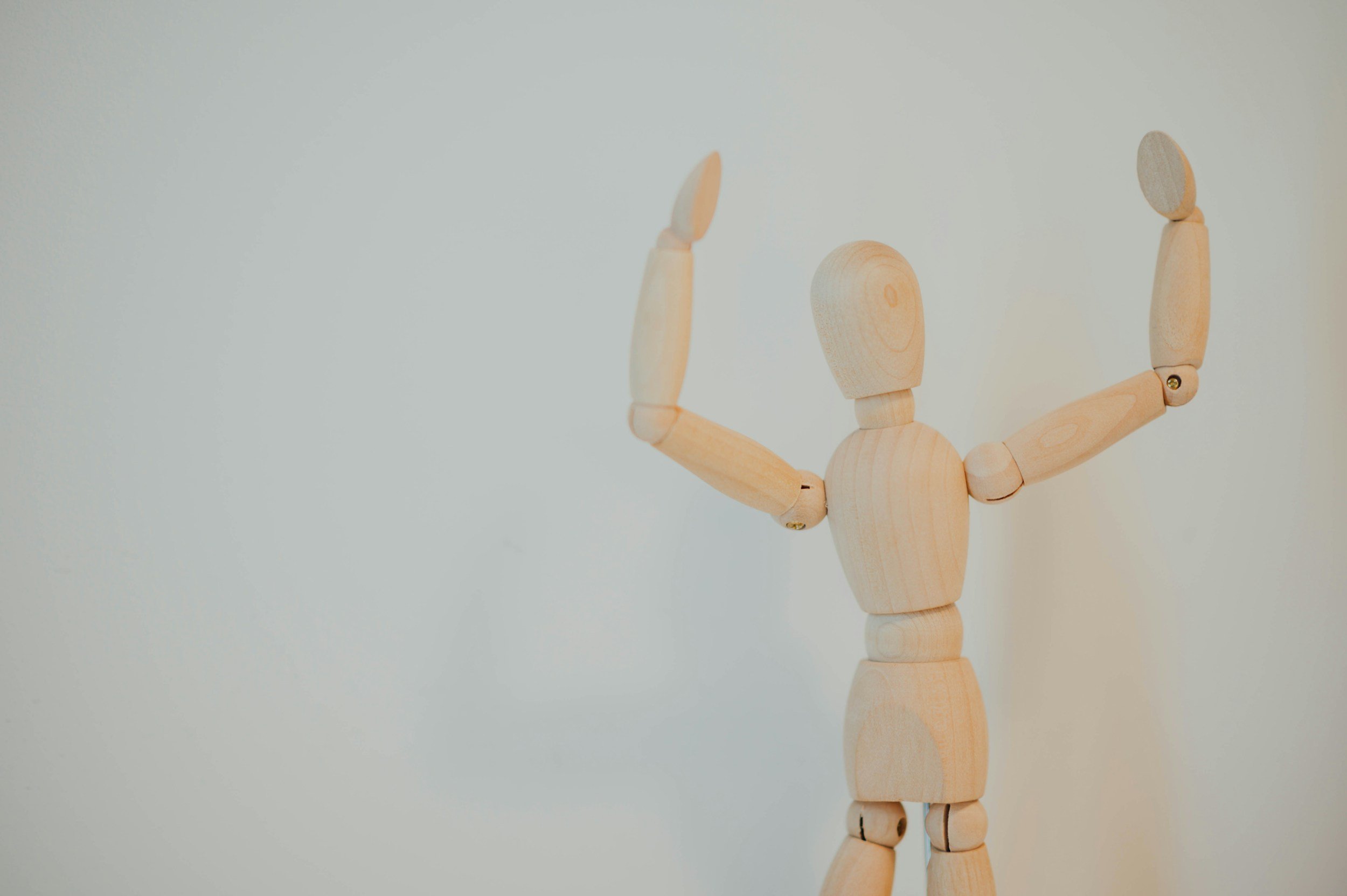
“It Is What It Is”
When I hear people say “it is what it is,” it is often said with an air of dismissal, of invalidation of the dis-ease the person is experiencing because of a difficult situation. It is a collapse response - our mind and body saying that there is nothing we can do and so we must surrender because there is no other choice.

Are you “processing,” or are you ruminating?
…Sometimes, however, we almost lose time cognitively analyzing something - that fight we had with our boss or colleague and how many outcomes we can imagine instead, or that embarrassing thing we did in high school that still rides the nightly thought carousel when we’re trying to fall asleep. These re-imaginings can feel like a scratch on a record, can get our heartbeat racing, and can interfere with our ability to be present in the moment at hand.
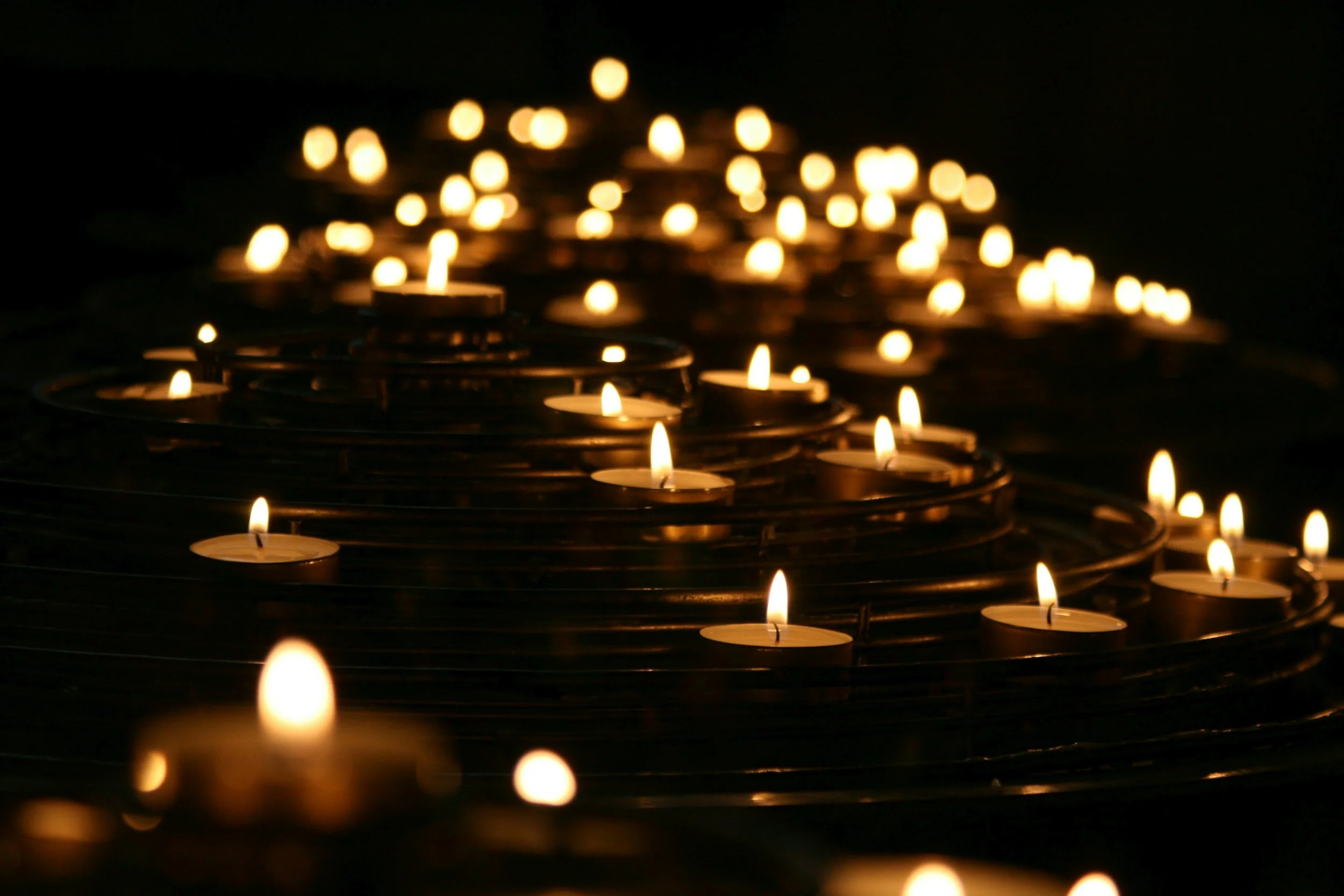
Endings
Endings bring up a lot of things for many folks, and so the end of the year is often both a time for celebration as well as a time of grief. Culturally, the former feels safer and cleaner to talk about than the latter. When people share with their loved ones that they are feeling sadness or grief about someone they lost - whether in the past year or many years ago - there is often a rush (at least in a large chunk of Western culture) to provide assurances, platitudes, and move on from the pain as quickly as possible. It is easier to be mindfully present when the experience is pleasant; when it is painful, we have learned to push away, to avoid. That includes our own discomfort in the face of someone else’s pain - and our own.