“New Year, Still Me”

Stock image courtesy of SquareSpace
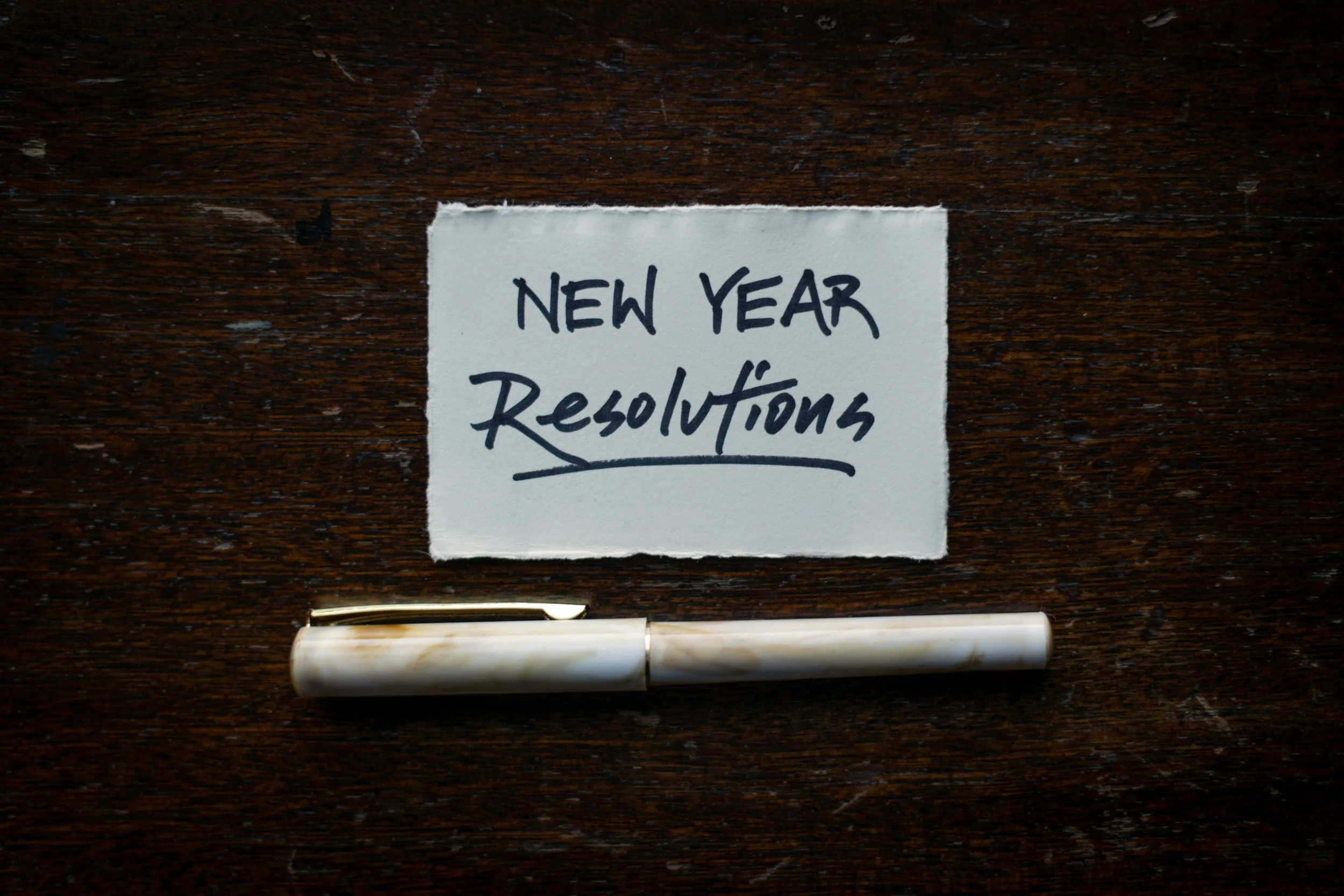
A few weeks ago, I shared some thoughts about this time of year as a pause to reflect on endings. So, too, is it a time when people begin saying things like, “That’s next year’s problem” or “I’ll start that new routine in the new year.” This is such a valid human experience - to commit to something in the future because it’s still a vague possibility whereas committing to it now might feel like too much. The tricky thing is, we human beings have evolved brains that perceive the forward flow of time and thus have the capacity to demarcate time in such a way (i.e. “I’ll start on Monday,” or “Well, this week is a wash so I’ll wait until next week”) - our bodies, however, hold a different story. Our emotional brain centers, our nervous systems, they don’t understand the passage of time the same way we cognitively perceive it. Therefore, when we say “New year, new me,” that’s one way we can try to make a commitment - and our bodies don’t always get the memo. If we are burnt out at the end of 2025, flipping the calendar over to January 2026 doesn’t send an instant message to our nervous system that says it’s time to do a reset for a software update. We are carrying from one year into the next whatever experiences remain unprocessed.
Stock image courtesy of SquareSpace
I don’t have a magic one-size-fits-all solution. I don’t have a seven-step WikiHow to sell you at a holiday discount on how to get the perfect refresh and recipe for success for the new year. What I do offer, however, is validation and reassurance that if this year - or whatever period of time - has been hard for you, of course your body is tired. Of course you’re logged out of not just work but also your relationships. Of course you’re sleeping more, eating more, moving less. Stress accumulates, especially when the strain of wearing a dozen different hats - each with its own litany of demands and to-do list items - makes it hard to routinely attend to all the different kinds of rest we need. You aren’t “just lazy” and you don’t “just need more discipline;” if those strategies were going to create meaningful and lasting change, they would have by now.

Stock image courtesy of SquareSpace
What I also have is the clinical and human experience to support the following claim - barring a major medical issue that requires immediate intervention to prevent worsening symptoms, there is no rush. There is no rush to start a Crossfit program on the first day of January. There is no rush to eat as many carbs as possible by midnight on New Year’s and then throw them all out the next morning. We think in binaries because our brains like shortcuts, and that includes the binary that old-year behaviors need to totally capitulate in the new year. If we take the opportunity to pause for just a few moments and understand what really matters to us - rather than what we want to get away from - we may find an increased sense of direction. We may start to fill in some of the points on our own personal compass of values that are true to our wisest Self. Great minds in the world of psychotherapy like Marsha Linehan (the developer of Dialectical Behavior Therapy) and Steven Hayes (the developer of Acceptance and Commitment Therapy) teach us about the importance of having a clear vision of our values not just for emotional regulation, but also a personal guidebook on how to live a life worth living. So rather than leaping into major change that might be fueled for a few weeks or months before old strategies start to seem very appealing once more, find the space between this year and the next to reflect on what truly matters to you - not because someone else says it should, and not because of shame or guilt, but because of that calm voice at your center that speaks your truth.